Signs It’s Time for a Flat or Single-Ply Roof Installation
Signs it’s time for a flat or single-ply roof installation often include leaks, extensive damage, or aging materials, and local contractors can help ensure a proper, lasting upgrade.
Property owners in the area who notice issues like persistent leaks, cracks, or ponding water on their flat roofs may find it is time to consider a flat or single-ply roof installation. These signs often indicate that the current roofing system is reaching the end of its lifespan or has suffered damage that can no longer be effectively repaired. Exploring professional installation options can help ensure the property remains protected from water intrusion and structural concerns, making it a practical step for those experiencing ongoing roofing problems.
Additionally, aging roofs that show visible wear, such as blistering, curling, or significant deterioration, can benefit from a new flat or single-ply roof. Local contractors who specialize in these types of roofing systems can assess the condition of a roof and recommend appropriate solutions to improve durability and performance. For property owners seeking reliable, long-lasting roofing options, understanding these signs and connecting with experienced service providers can be an important part of maintaining the property's value and integrity. Keep reading to learn more about how to identify when a roof upgrade might be necessary.
- Flat roof installation - recommended when signs it’s time for a flat or single-ply roof installation include persistent leaks or ponding water that cannot be resolved with repairs, with local contractors assessing the roof’s condition.
- Single-ply roof installation - suitable when existing roofing materials are aging, cracked, or deteriorating, prompting local service providers to recommend a replacement for improved durability.
- Flat roof installation - advised if there are widespread signs of membrane damage or extensive wear, as local pros can expertly install a new flat roof to prevent future issues.
- Single-ply roof installation - often needed when energy efficiency concerns arise due to poor insulation or heat transfer, with local contractors providing modern, energy-efficient roofing options.
- Flat roof installation - necessary if structural inspections reveal compromised decking or support, with local pros ensuring a proper installation that restores roof integrity.
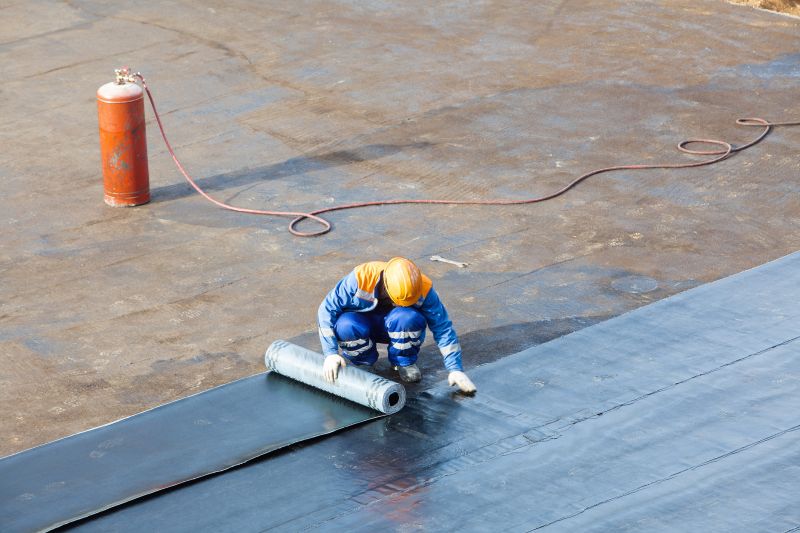
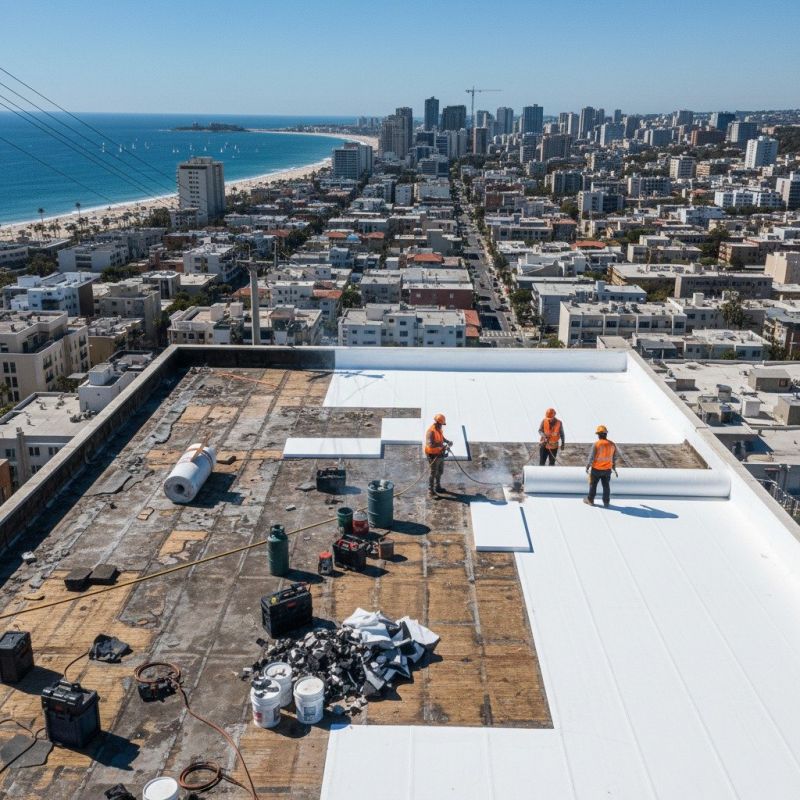

When homeowners search for signs it’s time for a flat or single-ply roof installation, they are usually trying to determine whether their current roofing system needs to be replaced or upgraded. This topic often comes up when a roof begins to show visible signs of aging or damage, prompting questions about whether repairs will suffice or if a full replacement is necessary. People may also be considering a new roof as part of a property renovation or expansion project, especially if they want a more durable, low-maintenance solution. Understanding what to look for helps homeowners make informed decisions about their property’s roofing needs and ensures they connect with local contractors equipped to handle flat or single-ply roof installations.
Typical problems associated with aging or damaged flat roofs include persistent leaks, ponding water, or widespread surface deterioration. These issues can compromise the integrity of the roof and, if left unaddressed, may lead to interior water damage, mold growth, or structural concerns. For property owners planning to upgrade or replace their roofs, recognizing these signs early can prevent costly repairs down the line. Flat or single-ply roofing systems are often chosen for their affordability, ease of installation, and suitability for commercial buildings or residential properties with flat or low-sloped roofs. Local service providers specializing in these installations are familiar with common issues and can advise on the best course of action based on the current condition of the roof.
Properties that typically require flat or single-ply roof installation tend to include commercial buildings, warehouses, apartment complexes, and certain residential structures with flat or low-slope roofs. These roofs are designed to maximize interior space and simplify maintenance, making them popular choices for many property types. Over time, exposure to weather and environmental factors can accelerate the deterioration of these roofing systems, highlighting the importance of professional assessments. When signs indicate a roof’s lifespan has been exceeded or damage is widespread, local contractors can evaluate the structure and recommend appropriate solutions, including new flat or single-ply roofing systems that offer improved performance and longevity.
Understanding when it’s time for a flat or single-ply roof installation helps property owners plan for necessary upgrades and avoid potential issues. Recognizing signs such as recurring leaks, surface cracks, or pooling water can signal that a roof has reached the end of its serviceable life. Connecting with experienced local service providers ensures that the installation process is handled efficiently and correctly, tailored to the specific needs of the property. Whether for a commercial building or a residential flat roof, these professionals can assess the current condition, recommend suitable materials, and execute a replacement that enhances the property’s durability and value.
Commercial roofing replacement - professionals experienced in installing flat or single-ply roofs also handle larger-scale commercial roofing projects, requiring similar planning and material knowledge.
Roof membrane repair - repairing or patching existing flat or single-ply roofs involves skills in handling roofing membranes and waterproofing techniques used in new installations.
Roof inspection services - inspecting flat or single-ply roofs for damage or wear shares diagnostic skills with installation planning and material assessment.
Waterproofing and sealing projects - applying waterproof coatings or sealants on roofs uses comparable tools and surface preparation methods as those used in roof installation.
Deck and rooftop terrace construction - building or refurbishing rooftop decks often requires knowledge of flat roofing systems and proper insulation techniques.
Emergency leak repair services - quick response to leaks on flat roofs involves identifying issues with membrane integrity, similar to the initial stages of installation planning.
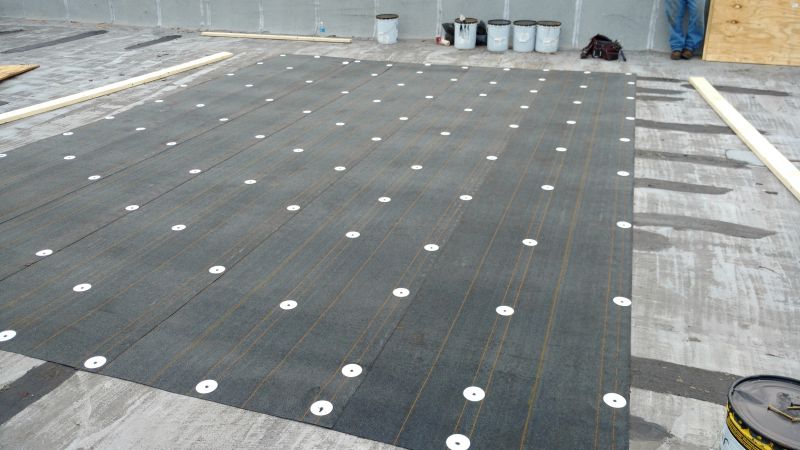
When evaluating potential service providers for a flat or single-ply roof installation, it is important to consider their experience with similar projects. Homeowners should inquire about the types of roofing jobs the contractors have handled in the past, especially those involving flat or single-ply roofing systems. A contractor with a proven track record in this specific area is more likely to understand the unique challenges and requirements of such installations, leading to a smoother process and a more reliable result. Reputable local contractors often have a portfolio of completed projects that can demonstrate their familiarity with the materials and techniques involved, giving homeowners confidence in their expertise.
Clear, written expectations are essential when comparing local service providers for a roofing project. Homeowners should seek detailed proposals that outline the scope of work, materials to be used, and the timeline for completion. This transparency helps prevent misunderstandings and ensures that both parties are aligned on the project's objectives. Good communication is also a key factor-contractors who are responsive and willing to answer questions can make the process more straightforward. Establishing clear expectations upfront can contribute to a positive experience and help ensure that the installation meets the homeowner’s needs and standards.
Reputable references and positive indicators of communication are valuable when selecting local contractors for flat or single-ply roof installation services. Homeowners should consider reaching out to previous clients or checking reviews to gain insight into the contractor’s reliability, professionalism, and quality of work. Additionally, a contractor’s ability to clearly explain the process, address concerns, and keep homeowners informed throughout the project reflects their commitment to good communication. Choosing a service provider with strong references and transparent communication practices can help ensure the project progresses smoothly and results in a durable, properly installed roof.
Property owners often search for signs it’s time for a flat or single-ply roof installation when they are planning practical projects around their homes and businesses. Local pros provide Flat or Single-Ply Roof Installation services for everyday jobs and straightforward project options.
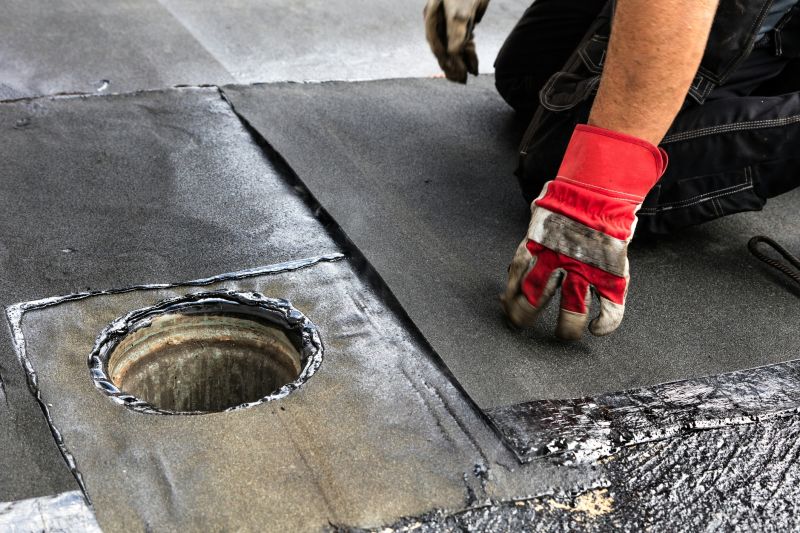

Property owners in the area might start noticing signs it’s time for a flat or single-ply roof installation when they observe persistent leaks or water stains on ceilings and walls. Over time, these issues can become more frequent and severe, especially after heavy rain or snow. Cracks, blistering, or pooling water on the roof surface are also common indicators that the existing roofing system may no longer be effective. Local contractors who specialize in flat and single-ply roofing can assess these problems and recommend appropriate solutions to ensure the property remains protected.
Another everyday situation that can signal the need for a roof replacement is the age of the current roofing system. Many flat roofs have a limited lifespan, and signs of aging like cracked or peeling membrane, increased energy bills due to poor insulation, or visible wear and tear can prompt property owners to explore new installation options. When these signs appear, local service providers experienced in flat and single-ply roofs can help evaluate the condition of the existing roof and determine if a replacement is advisable to maintain durability and performance.
What are common signs it’s time for a flat or single-ply roof installation? Indicators include persistent leaks, extensive membrane damage, and signs of widespread wear or deterioration that cannot be easily repaired.
How can I tell if my flat or single-ply roof has reached the end of its lifespan? Visible cracking, blistering, pooling water, or recurring leaks suggest that the existing roof may need replacement by experienced service providers.
Are there specific issues that indicate repairs are no longer sufficient for a flat or single-ply roof? When damage is extensive, such as large tears, multiple leaks, or significant membrane degradation, replacing the roof is often recommended by local contractors.
What physical signs on my roof suggest it’s time for a new installation? Signs include bubbled or blistered surfaces, sagging areas, and visible cracks or tears in the roofing membrane that compromise its integrity.
When should I consider a flat or single-ply roof replacement instead of repairs? Replacement is advisable when repairs become frequent or ineffective, and the roof shows widespread damage that affects its performance and safety.
Visible damage or leaks - noticing water stains or cracks on the ceiling can indicate that a flat or single-ply roof may need replacement, and local contractors can help assess and install a new system.
Frequent repairs or patchwork - ongoing patching efforts suggest the existing roof is deteriorating and might be more effectively replaced with a modern flat or single-ply roof by local service providers.
Age of the roof - when a flat roof reaches the end of its typical lifespan, property owners can consider professional installation of a new flat or single-ply roof to ensure continued protection.
Structural changes or upgrades - planning renovations or additions that require a more durable roof surface can lead property owners to seek installation services from local contractors experienced in flat or single-ply roofing.
If you are thinking about signs it’s time for a flat or single-ply roof installation for a property, this guide is meant to help you understand this topic, the typical project types, and how different options might fit your plans.
When you are ready, you can use the quote form on this page to share a few details about your project. From there, local pros can review the basics and follow up with options that match what you have in mind.