Get Residential Roof Replacement
Residential roof replacement services help property owners address damaged, aging, or leaking roofs through projects that involve removing old materials and installing new, durable roofing systems.
If your property’s roof is showing signs of aging, damage, or wear, exploring roof replacement options can be an important step in maintaining the integrity and value of the home. Property owners in the area often consider this work to improve durability, enhance curb appeal, or prepare for changing weather conditions. Whether you're planning a major upgrade or simply assessing your options, understanding the local market can help you make informed decisions about the best solutions for your roofing needs.
Connecting with experienced local contractors can provide valuable insights into available materials, installation processes, and project planning. Comparing local service providers allows property owners to find the right fit for their specific circumstances, ensuring the work aligns with their goals. Keep reading to learn more about how to approach residential roof replacement and discover how local professionals can assist in achieving a successful project.
- Residential Roof Replacement - When a roof has extensive damage or aging that cannot be repaired effectively.
- Shingle Roof Replacement - If shingles are cracked, missing, or curling, indicating the need for a full replacement.
- Tile Roof Replacement - For homeowners with cracked or broken tiles that compromise roof integrity.
- Flat Roof Replacement - When flat roofing materials have leaks, cracks, or signs of deterioration.
- Complete Roof Overhaul - In cases where a full roof upgrade is desired to improve durability and curb appeal.
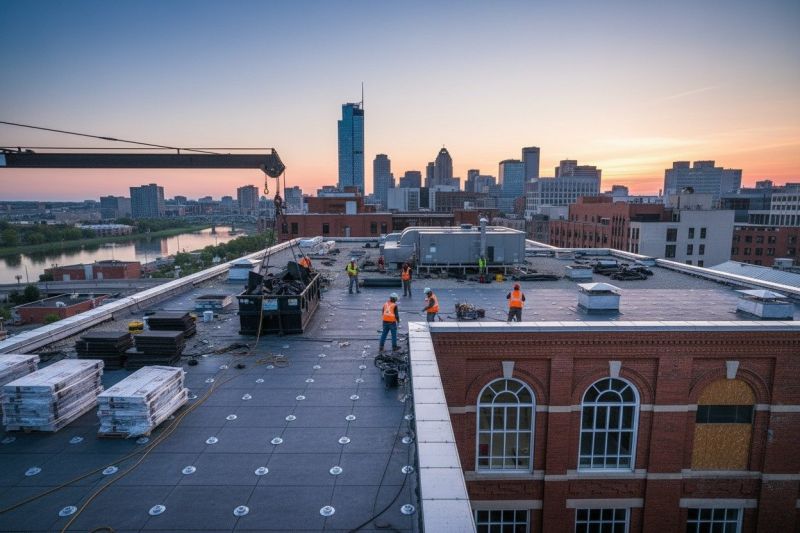
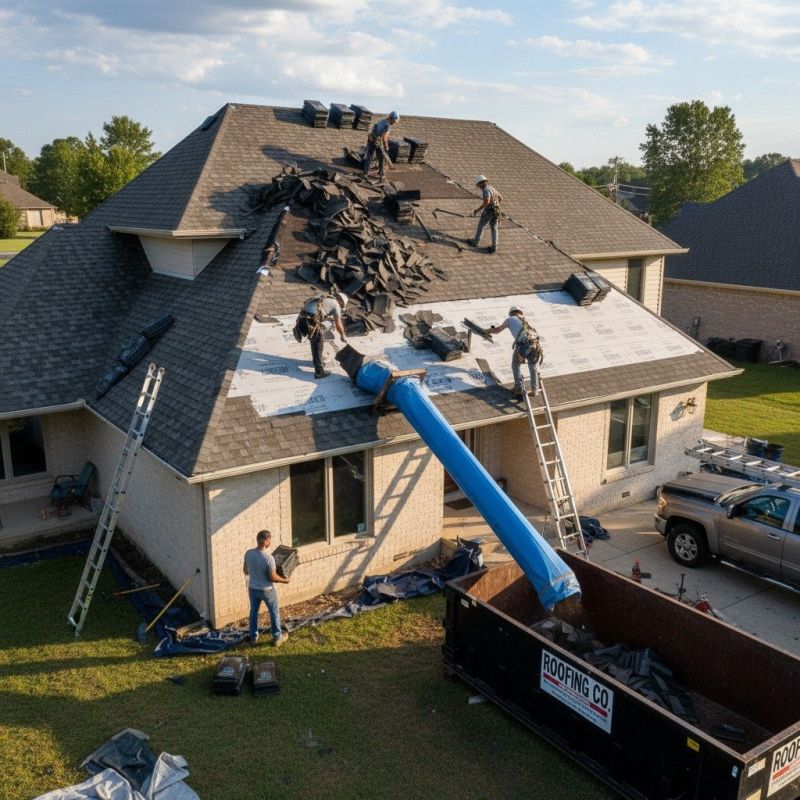
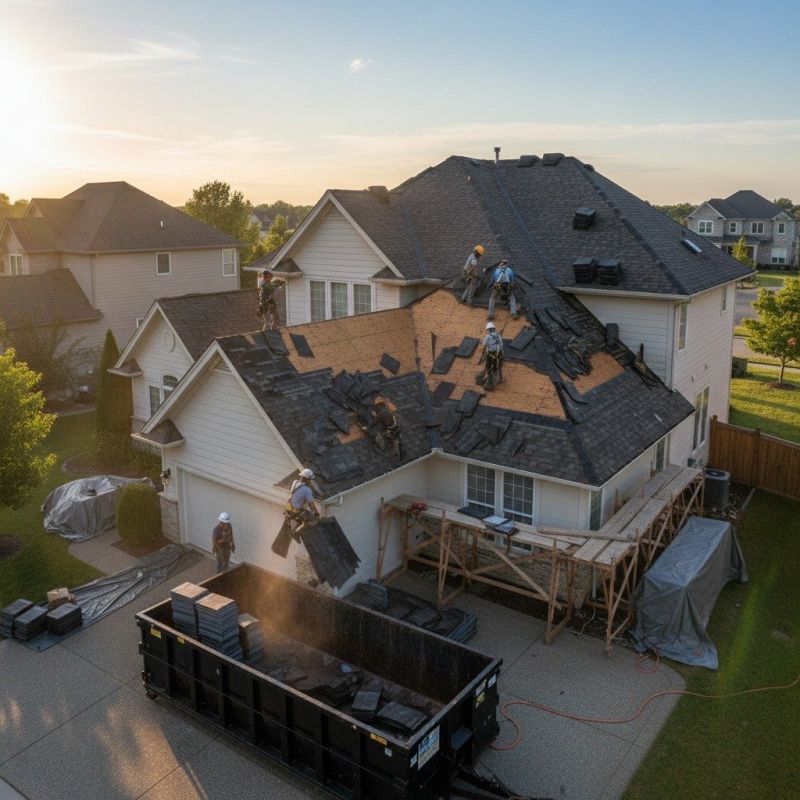
Residential roof replacement services involve removing an existing roof and installing a new one to ensure the home remains protected from weather elements. This process typically includes inspecting the current roof, choosing appropriate materials, and carefully installing the new roofing system. Homeowners seeking this service often want to improve their home's appearance, address ongoing issues, or prepare for future weather challenges. Skilled local contractors can handle the entire replacement process, making sure the new roof is installed correctly and efficiently.
Many problems can signal the need for roof replacement. Common issues include widespread leaks, missing or damaged shingles, significant wear and tear, or visible signs of aging like curling or cracking. A deteriorating roof can lead to water damage inside the home, mold growth, and increased energy costs due to poor insulation. Replacing the roof helps resolve these problems by providing a durable barrier against moisture and weather, thereby protecting the home’s structure and interior spaces.
Properties that typically require roof replacement vary widely but generally include older homes with aging roofs, properties that have experienced severe weather damage, or homes with persistent leaks that cannot be fixed through repairs alone. Residential buildings such as single-family houses, multi-family units, and even some smaller apartment complexes may need roof replacement services. The decision often depends on the roof’s condition, the type of materials used, and the overall age of the roof system.
Homeowners should consider roof replacement when their current roof shows signs of extensive damage or deterioration that cannot be effectively repaired. This service is essential for maintaining the safety, value, and functionality of a property. Local contractors who specialize in residential roof replacement can assess the specific needs of a home, recommend suitable materials, and ensure the new roof provides long-lasting protection. Contacting experienced service providers is a practical step toward safeguarding the home’s future.
The overview below groups typical Residential Roof Replacement projects into broad ranges so you can see how smaller, mid-sized, and larger jobs often compare in your area.
In many markets, a large share of routine jobs stays in the lower and middle ranges, while only a smaller percentage of projects moves into the highest bands when the work is more complex or site conditions are harder than average.
Smaller Repairs - typical costs for minor roof repairs usually range from $250 to $600, covering issues like small leaks or damaged shingles. Many routine jobs fall within this middle range, making it common for local contractors to handle these at an affordable price.
Partial Roof Replacement - replacing parts of a roof, such as a section or specific shingles, generally costs between $1,000 and $3,500. Larger, more complex partial replacements can reach higher prices, but most projects stay within this range.
Full Roof Replacement - complete roof replacements often cost between $5,000 and $15,000, depending on the size and materials used. Many standard homes fall into this middle price band, while very large or premium projects can go beyond this range.
Luxury or High-End Projects - high-end roof replacements with premium materials or custom features can exceed $20,000. These projects are less common and typically involve complex designs or upscale materials handled by specialized local contractors.
Actual totals will depend on details like access to the work area, the scope of the project, and the materials selected, so use these as general starting points rather than exact figures.
Siding Replacement - this project involves similar planning and skills in surface preparation, material installation, and weatherproofing as residential roof replacements.
Gutter Installation - installing gutters requires knowledge of roof structures and proper planning to ensure effective water drainage alongside roofing projects.
Attic Insulation - upgrading attic insulation complements roof replacement by improving energy efficiency and often involves working in confined spaces similar to roofing work.
Skylight Installation - installing skylights involves precise planning and roofing skills to ensure proper sealing and integration with existing roof structures.
Roof Repair - repairing damaged roofs shares tools and techniques with full replacements, requiring similar assessment and surface preparation skills.
Venting System Installation - installing roof vents involves understanding roof structures and planning for airflow, akin to the planning involved in roof replacement projects.
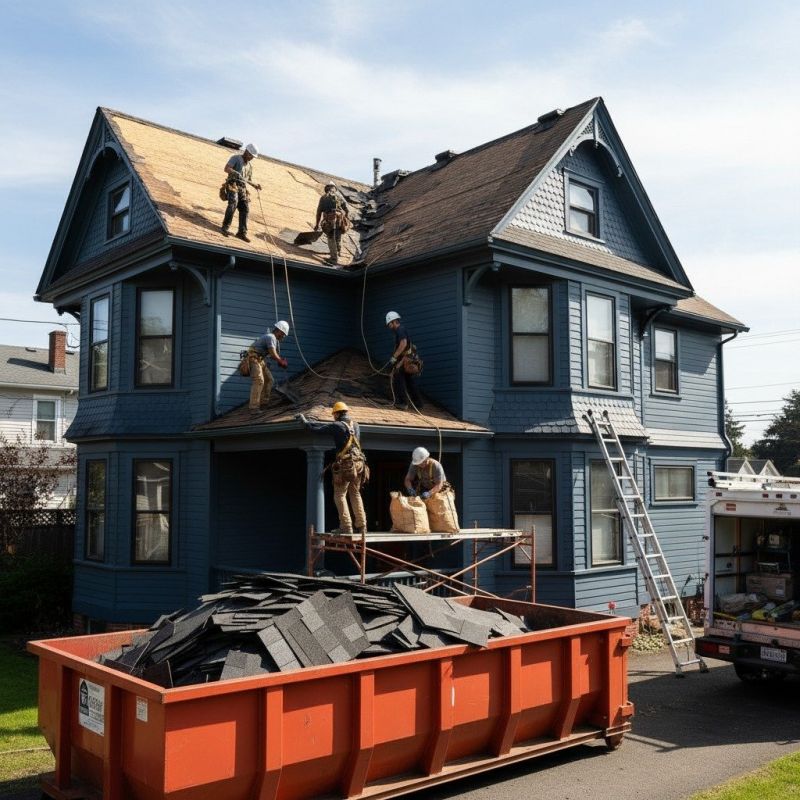
When comparing service providers for residential roof replacement, it’s important to consider their experience with similar projects. Homeowners should seek out local contractors who have a proven track record of handling roof replacements comparable in scope and style to their own homes. An experienced professional is more likely to understand the specific challenges that may arise and can deliver results that meet expectations. Reviewing the types of projects a contractor has completed can provide insight into their familiarity with different roofing materials, architectural styles, and installation techniques, helping homeowners make more informed decisions.
Clear, written expectations are essential when evaluating potential service providers. Homeowners should look for contractors who provide detailed project scopes, including materials to be used, the steps involved in the replacement process, and any guarantees or warranties offered. Having these expectations documented helps prevent misunderstandings and ensures that everyone is aligned on the project’s scope and deliverables. It’s also beneficial to request written estimates that outline costs and timelines, giving homeowners a clearer picture of what to anticipate and a basis for comparison among different local pros.
Reputable references and good communication are key indicators of a trustworthy contractor. Local service providers who can offer references from previous customers demonstrate transparency and confidence in their work. Speaking with past clients can reveal insights into the contractor’s reliability, professionalism, and the quality of their work. Additionally, effective communication-such as prompt responses to questions and clarity in explanations-can greatly enhance the overall experience. Homeowners should prioritize contractors who maintain open lines of communication and are willing to address concerns thoroughly, ensuring a smoother project from start to finish.
Property owners use Residential Roof Replacement services for practical projects around their homes and businesses. This guide focuses on everyday jobs and straightforward project options.
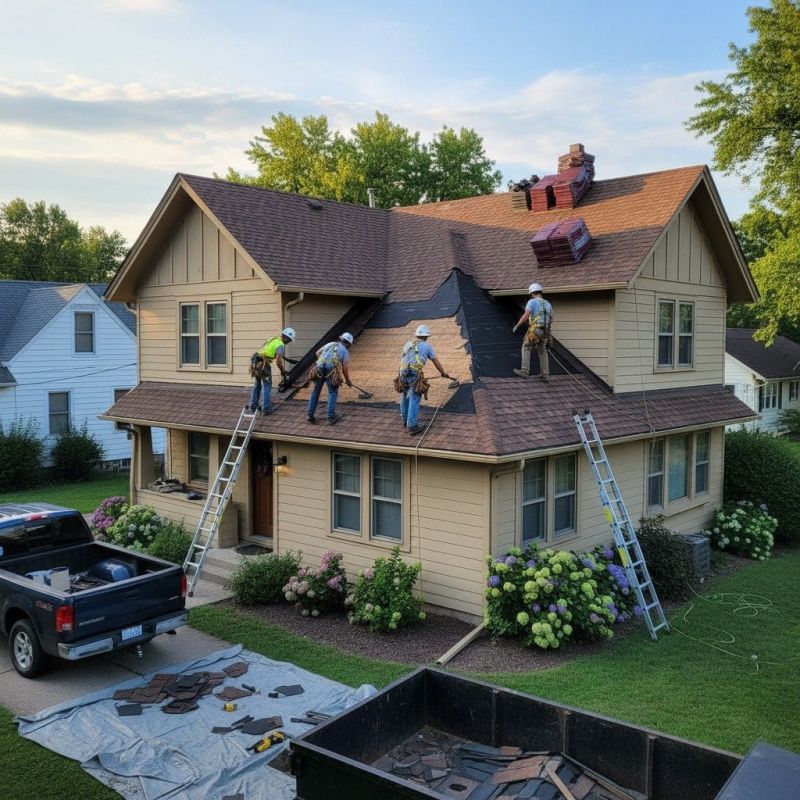
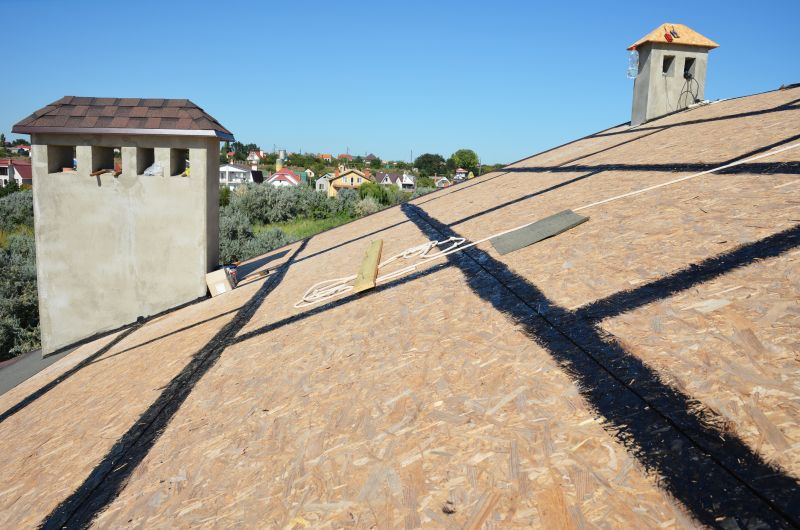
Residential roof replacement is a common project for property owners dealing with aging, damaged, or leaking roofs. Over time, wear and tear from weather conditions, such as heavy rain, wind, or snow, can compromise a roof’s integrity, prompting homeowners to seek professional services. Additionally, signs like missing shingles, persistent leaks, or visible deterioration often lead property owners to look for local contractors who can efficiently handle the replacement process and restore the safety and appearance of their homes.
Many property owners also consider roof replacement when preparing to sell their homes or improve energy efficiency. A new roof can enhance curb appeal and provide peace of mind, especially if the existing roof is approaching the end of its lifespan. Local contractors are equipped to assess the condition of existing roofs and recommend suitable replacement options, helping property owners make informed decisions to protect their investment and ensure their home remains secure and functional.
What are signs that a roof needs to be replaced? Indicators include missing or damaged shingles, persistent leaks, excessive granule loss, and visible sagging or deterioration of roof materials.
How do local contractors handle residential roof replacements? They typically assess the roof's condition, recommend suitable materials, and perform the replacement following industry standards to ensure proper installation.
What types of roofing materials are commonly used for replacements? Common options include asphalt shingles, metal roofing, wood shakes, and tile, depending on the home's style and homeowner preferences.
Can a roof replacement improve the home's energy efficiency? Yes, upgrading to modern, reflective roofing materials can help reduce heat transfer and improve overall energy performance.
What should homeowners consider when choosing a contractor for roof replacement? It's important to review their experience, reputation, and references, and ensure they are familiar with local building codes and best practices.
Roof Replacement Planning - Property owners can explore options for replacing an aging or damaged roof to enhance the home's safety and appearance.
New Roof Installation Ideas - Homeowners can consider installing a new roof to improve energy efficiency or update the home's style.
Storm Damage Repairs - Residents affected by severe weather may look into roof replacement services to restore protection and curb appeal.
Upgrading Roofing Materials - Property owners can evaluate different roofing materials for durability and long-term performance with the help of local contractors.
If you are thinking about Residential Roof Replacement for a property, this guide is meant to help you understand the work, the typical project types, and how different options might fit your plans.
When you are ready, you can use the quote form on this page to share a few details about your project. From there, local pros can review the basics and respond with options that match what you have in mind.